Hire A Local Design & Build Kitchen Remodeler Vs Separate Companies

Derek Obringer • May 22, 2026

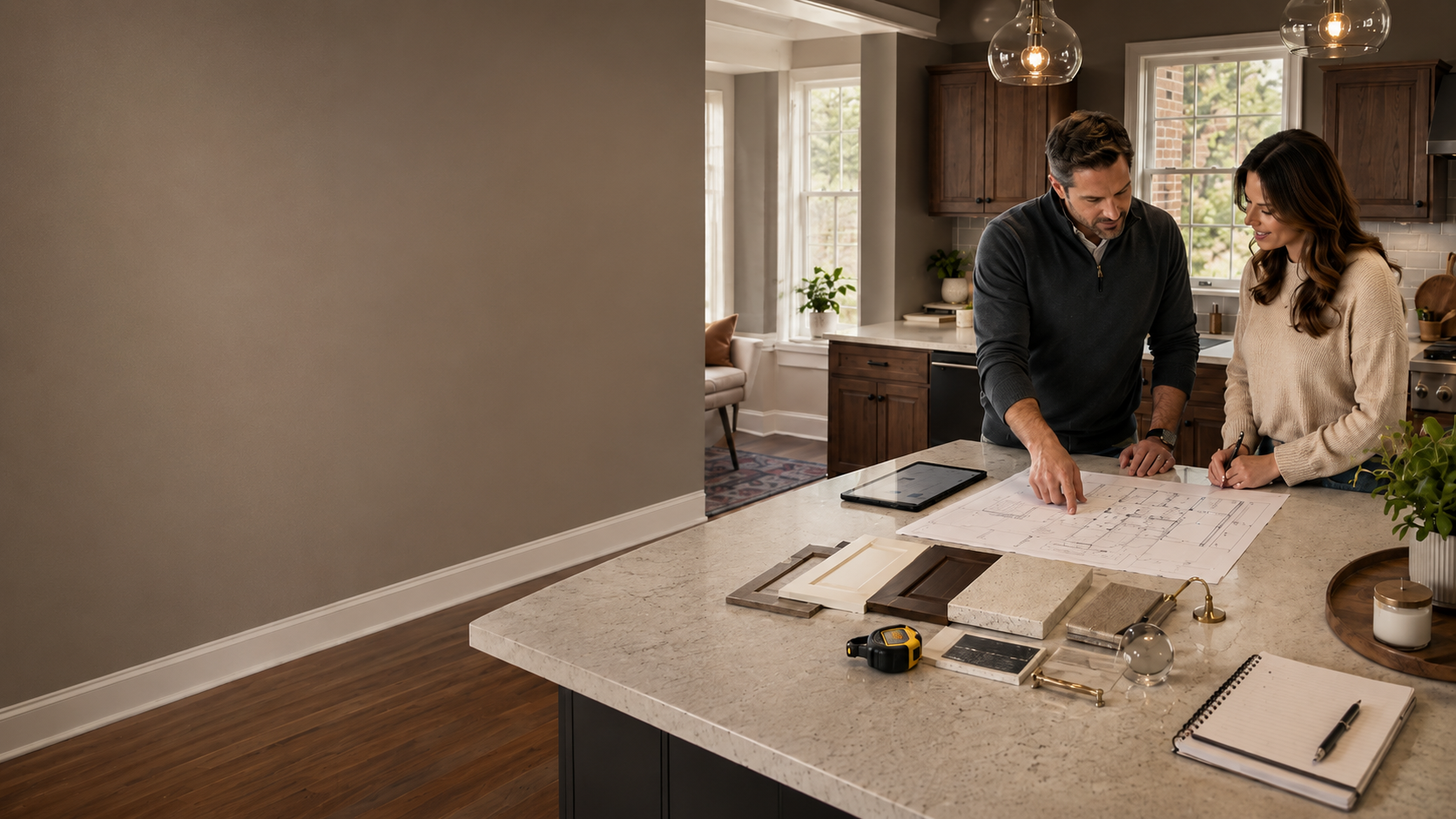
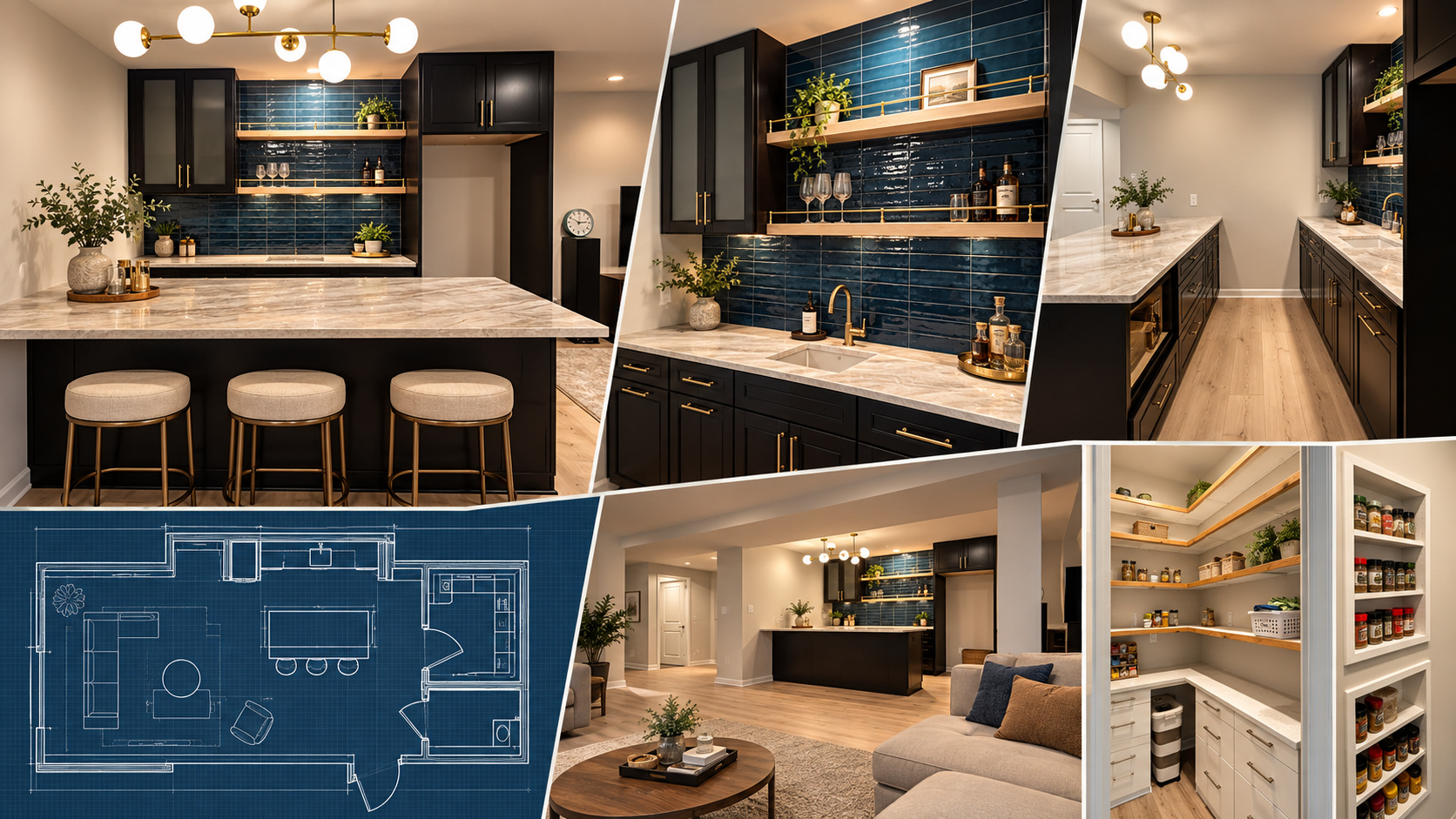
Planning a kitchen remodel comes with many decisions. Before choosing cabinets, countertops, flooring, paint colors, or layout changes, homeowners need to decide how the project will be managed. One of the biggest early questions is whether to hire separate design and construction companies or work with one local design-build kitchen remodeler.


Both approaches can work. Some projects benefit from an independent designer or architect, while others are easier to manage with one contractor overseeing the entire process. For many Pittsburgh homeowners, the design-build approach offers a practical advantage because planning, budgeting, construction, and communication are connected from the start.


If you are searching for kitchen remodeling services in Pittsburgh or a kitchen remodeling contractor near you, understanding the difference can help you choose the right path for your home.


What Does a Design-Build Kitchen Remodeler Do?


A design-build kitchen remodeler handles both the planning and construction sides of a remodeling project. Instead of hiring one company to design the kitchen and another to build it, homeowners work with one team from the early concept through completion.


For a kitchen remodel, this may include discussing your goals, reviewing layout options, helping with material selections, identifying construction considerations, preparing estimates, scheduling the work, and completing the renovation.


This does not mean every decision is made for you. A good remodeling contractor should still listen closely, explain your options, and help you understand how each choice may affect the final result. The main difference is that design ideas are reviewed alongside real construction factors from the beginning.


This can be especially helpful when the remodel includes several connected updates, such as cabinet replacement, flooring, painting, lighting, plumbing, or layout changes.


Hiring Separate Design and Construction Companies


Some homeowners choose to hire a designer or architect first, then bring in a contractor later. This can make sense for certain projects, especially if the homeowner wants a highly specialized design plan, is completing a large architectural renovation, or already has trusted professionals in mind.


Separate companies can also be useful for projects that are mostly cosmetic. If you are only selecting colors, finishes, fixtures, or decorative details, a standalone designer may provide the guidance you need.


However, kitchen remodeling often involves more than appearance. A layout that looks great on paper still needs to work with the home’s existing structure, plumbing, electrical, and ventilation systems, and within the budget. When design and construction are handled separately, homeowners may need to coordinate between both sides.


That can lead to extra conversations, revised plans, and additional decisions once construction details are reviewed.


Common Challenges of Working With Separate Companies


Hiring separate design and construction companies is not automatically a problem. Many designers and contractors work well together. The challenge is that homeowners may have to manage more moving parts.


For example, a designer may create a plan before a contractor has reviewed the space. Materials may be selected before labor costs are fully understood. Layout changes may be discussed before plumbing, electrical, or structural factors are considered. These are common issues, but they can add steps to the process.


Homeowners may also need to compare feedback from different professionals. One company may recommend a certain layout, while another may explain that it will require additional work or cost more than expected. When that happens, the homeowner is left to decide how to revise the plan.


For Pittsburgh homes, this can be especially relevant. Many local properties vary in age, layout, and existing conditions. Older kitchens may have smaller footprints, older plumbing routes, uneven floors, limited electrical capacity, or previous remodels that make certain tasks more difficult.


The Benefit of One Point of Contact


One of the biggest advantages of hiring a design-build kitchen remodeling contractor is having one main point of contact. Instead of coordinating among a designer, contractor, painter, installer, and other trades, homeowners can work with a single team that understands the entire project.


This can make communication easier before and during construction. If you have a question about the schedule, budget, layout, or next step, you know whom to call. If something needs to be adjusted, the same team can explain how the change may affect the design, cost, and timeline.


A single point of contact also helps reduce confusion. Kitchen remodels involve many details, including cabinet measurements, appliance locations, countertop selections, backsplash installation, paint finishes, flooring transitions, plumbing fixtures, and lighting. When one contractor is responsible for coordinating those details, there is less chance that information gets lost between companies.


Better Budget Alignment From the Start


Budget is one of the most important parts of any kitchen remodel. Homeowners need to understand what is realistic before making design decisions.


With separate companies, the design phase may happen before the construction budget is fully developed. This can sometimes lead to plans that look appealing but cost more than expected once a contractor prices the work. The homeowner may then need to revise the design, change materials, or scale back parts of the project.


A design-build contractor can help connect design choices with construction costs earlier in the process. This does not mean every price is final from the first conversation, especially before selections and site conditions are reviewed. However, it does allow homeowners to discuss budget expectations while layout and material decisions are still flexible.


For example, if you are deciding between refacing, replacing, moving plumbing, changing flooring, or updating lighting, a remodeler can explain how those choices may affect the scope of work. Obringer’s Painting and Remodeling also provides helpful guidance on kitchen remodel costs by project area, which can help homeowners think through where their investment may go.


Fewer Delays and Communication Issues


Kitchen remodels involve many steps that need to happen in the right order. Demolition comes before certain installations. Cabinets may need to be installed before countertops are measured. Plumbing and electrical work must be coordinated with walls, fixtures, and finishes. Painting and finishing work also need to be timed carefully.


When different companies are involved, scheduling can become more complicated. Each company may have its own calendar, process, and priorities. If one part of the project changes, the next step may need to be rescheduled.


A design-build remodeling contractor can help reduce these issues by coordinating the work under one plan. No remodeling company can guarantee that a project will be free from surprises. Existing conditions, product availability, and homeowner changes can all affect a timeline. Still, having one team responsible for communication and coordination can help prevent avoidable delays.


Practical Design Recommendations Based on Construction Knowledge

A kitchen should look good, but it also needs to work well in daily life. A design-build remodeler can help homeowners balance style with function because design recommendations are informed by construction experience.


For example, a contractor can help you decide whether a layout change is worth the added work. Moving a sink, dishwasher, or refrigerator may improve flow, but it can also affect plumbing, electrical, flooring, and cabinetry. Before making that decision, it helps to understand the practical impact.


Homeowners considering layout changes can review Obringer’s guide on whether moving plumbing is worth it during a kitchen remodel to better understand the factors that may influence cost and complexity.


Construction-informed design can also help with smaller details, such as planning cabinet storage, improving traffic flow, choosing durable finishes, and selecting paint products that hold up well in a kitchen environment.


Why Local Pittsburgh Experience Matters


Hiring a local kitchen remodeling contractor has practical value. Pittsburgh-area homes are not all built the same. A kitchen in a South Hills home may have different challenges than one in an older city property, a suburban split-level, or a newer home in a surrounding community.


Local remodelers are often more familiar with the types of homes, layouts, and renovation issues found in the area. They may also understand how Pittsburgh homeowners use their kitchens, especially in homes where the kitchen connects to a dining room, family room, basement, or outdoor living area.


A local contractor is also easier to communicate with before, during, and after the project. For homeowners searching for a Kitchen Remodeling Contractor Near You, proximity is about more than convenience. It can also support better communication, clearer expectations, and stronger accountability.


Stronger Accountability From Start to Finish


When separate companies are involved, accountability can sometimes become less clear. If a design detail does not work during installation, the designer and contractor may need to determine who is responsible for the adjustment. If a material selection affects the schedule, the homeowner may need to coordinate the next steps.


With a design-build remodeler, one company is responsible for guiding the remodeling project from start to finish. This can make it easier for homeowners to understand who is managing the process and whom to contact if questions arise.


That accountability matters because the kitchen is used every day. Homeowners want the work completed carefully, but they also need clear expectations about timing, access, dust, temporary disruptions, and next steps.


When Separate Companies May Still Make Sense


Although the design-build approach offers many benefits, separate design and construction companies may still be the right choice in some situations.


If your project includes a major architectural renovation, structural redesign, home addition, or highly customized plans, you may benefit from working with an architect or specialized designer first. Some homeowners also prefer to hire an independent designer when they want extensive help with colors, furnishings, or whole-home interior design beyond the kitchen.


Separate companies may also make sense if you already have a completed design plan and only need a contractor to complete the construction. In that case, it is still important to have the contractor review the plan carefully before work begins.


The best option depends on your project scope, budget, and how much coordination you want to handle as the homeowner.


What to Ask Before Hiring a Kitchen Remodeling Contractor


Before hiring a contractor for kitchen remodeling projects in Pittsburgh, ask questions to understand their process, experience, and communication style.


What Parts of the Remodel Do You Handle?


Ask whether the contractor helps with design planning, material recommendations, construction, painting, installation, and project coordination.


How Do You Help Homeowners Make Budget Decisions?


A good contractor should be able to discuss how layout changes, material selections, and project scope may affect the budget.


Who Will Be My Main Contact?


Knowing who to contact during the remodel can prevent confusion and make communication easier.


How Do You Handle Changes During the Project?


Ask how changes are communicated, documented, and priced before work moves forward.


Do You Have Experience With Pittsburgh-Area Homes?


Local experience can be helpful, especially if your home has older construction, limited space, or previous renovations.


Can You Help With Other Remodeling Projects?


Some homeowners plan kitchen and bathroom improvements around the same time. Obringer’s also provides resources such as bathroom renovation tips for South Hills homeowners, which can be useful when thinking beyond the kitchen.


Talk to Obringer’s Painting and Remodeling About Your Kitchen Remodel


A kitchen remodel is a major investment in how your home functions day to day. Hiring separate design and construction companies may work well for some homeowners, but many Pittsburgh homeowners prefer a local design-build kitchen remodeler because it creates a more connected process.


One team can help align design ideas with construction realities, keep communication clear, manage scheduling, and provide accountability from the first conversation through the final details.


If you are comparing separate companies with a local design-build option, Obringer’s Painting and Remodeling can help you understand your project, discuss your goals, and review the next steps for your kitchen. To learn more or start planning your remodel, visit Obringer’s kitchen remodeling services in Pittsburgh page and contact the team to discuss your home.


silhoette

Author: Derek Obringer


Owner & Founder of Obringer's Painting and Remodeling, Derek Obringer brings attention to detail, together with experience, and superior customer service into each and every home that his company does work.

Painting And Remodeling Blog
By Derek Obringer April 27, 2026
Bathroom remodeling involve many decisions, from flooring and lighting to tile, paint colors, storage, and layout. One choice that can have a bigger impact than homeowners expect is the bathroom sink. Your sink affects how the room functions every day, how much storage you have, how easy the space is to clean, and how well the finished bathroom fits the style of your home. There are many bathroom sink styles to consider, including pedestal, wall-mounted, single-vanity, double-vanity, vessel, undermount, integrated, console, corner, trough, and farmhouse sinks. Each one offers a different balance of function, space savings, storage, and design impact. At Obringer’s Painting & Remodeling, we help South Hills homeowners design and remodel bathrooms that actually work for their daily lives, not just bathrooms that look good in photos. When choosing a bathroom sink type, the best option depends on your space, your routine, and how your household uses the bathroom.
By Derek Obringer December 24, 2025
When homeowners think about interior painting, walls usually come to mind first. In reality, a Pittsburgh home features numerous interior surfaces that interact with light, traffic, and daily use in various ways. Walls, ceilings, trim, staircases, and basements each require thoughtful finish selection and proper preparation. An experienced interior painter understands that paint is not just about color; it's also about texture. It is about how the finish performs on the surface beneath it. At Obringer's Painting and Remodeling, this practical understanding is integral to the company's lean, well-planned approach to interior work, a mindset also highlighted in the "Why We're Different – Doing Business the Lean Way" philosophy on their homepage. The focus remains on preparation, efficiency, and consistent results, rather than taking shortcuts. Below, our native Pittsburgh interior painters explain the correct finishes for common interior surfaces and how professional preparation supports long-term performance.
kitchen remodeled by Obringer's
By Derek Obringer November 21, 2025
Your budget, your dream, paired with our expertise and execution. Let talk about kitchen remodeling that doesn't wipe out the retirement fund. Call today to learn more!
woman in her kitchen with an inquisitive look as she ponders kitchen remodeling
By Derek Obringer October 15, 2025
Considering a kitchen remodel? Be sure that you have thought it through! Contact Obringers for kitchen design tips, expert service and quality workmanship today!
high powered fan drying out flooring underlayment after a plumbing accident
By Derek Obringer September 10, 2025
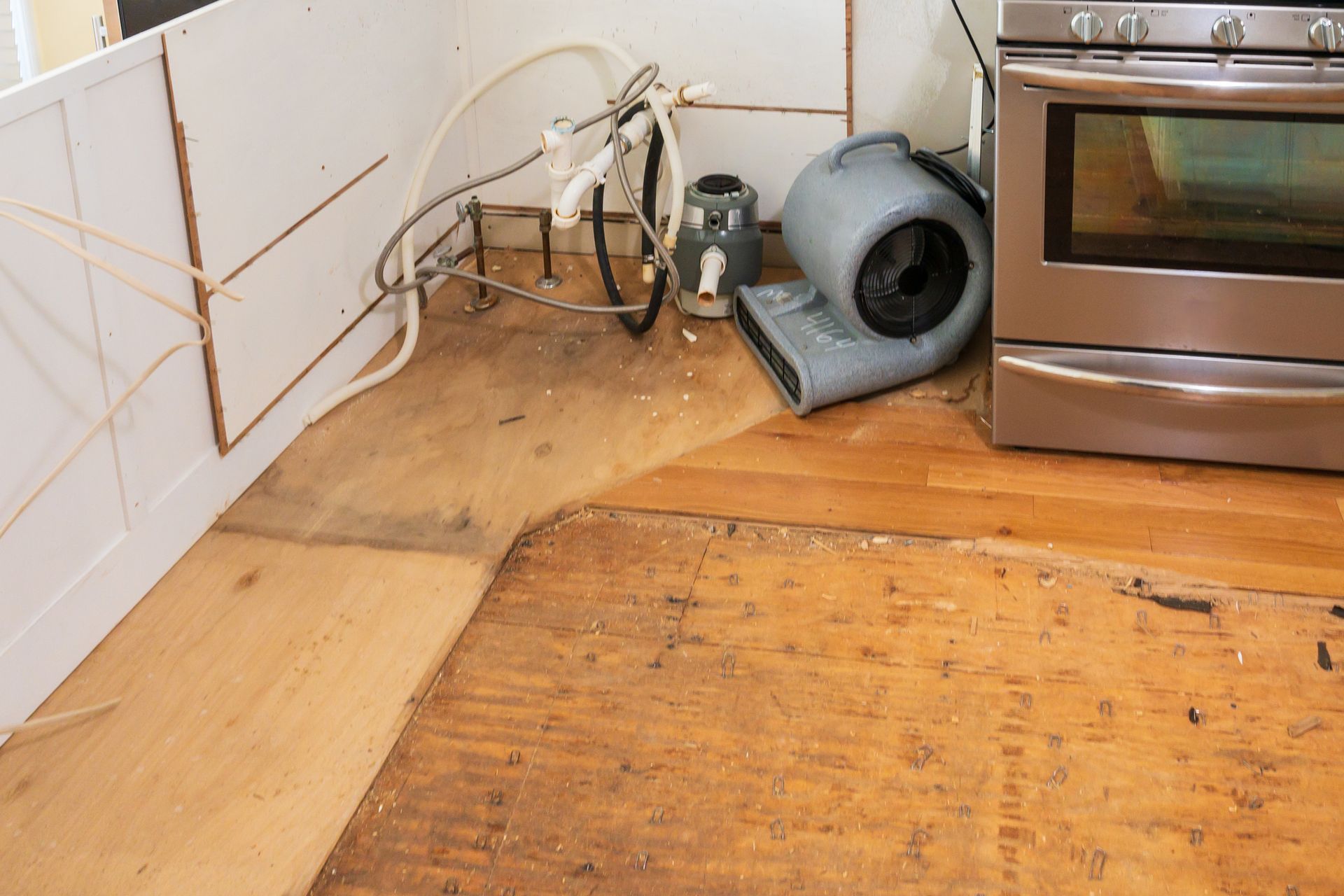
A kitchen remodel is one of the most rewarding projects a homeowner can take on. Not only does it transform the look and feel of your home, but it also improves daily life in one of the most-used spaces. As exciting as it is to pick out new cabinets, countertops, and finishes, there are also bigger layout decisions to consider. One of the biggest questions is whether or not to move the plumbing. Relocating a sink, dishwasher, or refrigerator line can give you the freedom to create a more functional layout, but it also comes with added cost and complexity. What Moving Plumbing Involves During Kitchen Remodeling At first, "moving plumbing" might sound as simple as shifting a sink from one wall to another. In reality, the process can range from a minor adjustment to a major reconfiguration. For example, you hire a kitchen remodeling company and you decide to add a dishwasher next to an existing sink , the job may only involve extending a water line a few feet. On the other hand, if you want to move the sink to an island in the middle of the kitchen , that requires running new supply and drain lines, cutting into the floor, and ensuring the drain has the proper slope. Common Plumbing components that might be moved during a remodel include: The sink – often the most significant change, since it involves both water supply and drainage. The dishwasher – usually placed near the sink, but still requires water and drain connections. Refrigerator water line – simpler to move, but still involves rerouting plumbing through walls or floors. Gas lines – if you're shifting a range or cooktop, this adds a layer of coordination. Each of these comes with its own level of difficulty, which is why consulting a professional early in the design process is essential. Cost Considerations For Plumbing Relocation The cost of moving plumbing can vary dramatically depending on the scope of work. On average, homeowners spend $500 to $3,000 per fixture, but the final price can swing higher or lower depending on the complexity of the project. Several factors drive the cost: Distance of the move: Shifting a sink a couple of feet is far less expensive than relocating it across the room. The further the lines need to be rerouted, the more labor is involved. Foundation type: Homes with crawl spaces or basements often make the job easier since plumbers can access the underside of the floor. Homes built on concrete slabs, however, may require cutting into concrete, which significantly increases labor and cost. Structural modifications: Moving plumbing isn't just about pipes. It may involve removing cabinets, cutting into walls, or modifying flooring and joists. These additional steps add both time and expense. Permits and inspections: Most municipalities, including those around Pittsburgh, require permits for plumbing changes. While permits add cost, they also ensure the work is done safely and to code. Local labor rates: As with any skilled trade, rates vary depending on where you live. In a metro area like Pittsburgh, you may pay more than in smaller or more rural towns, but you'll also benefit from experienced contractors familiar with complex remodels. For budget-conscious homeowners, it's important to factor in the plumbing costs and how they affect the overall remodel budget. Benefits of Moving Plumbing The main reason homeowners consider moving plumbing is flexibility. By not being locked into your current layout , you can design a kitchen that better matches your lifestyle. For example, moving the sink to an island makes it easy to interact with your family or guests while working in the kitchen, rather than facing a wall. Similarly, adding a prep sink near the refrigerator creates a more efficient workspace for multiple cooks in the kitchen. Other advantages include: Opportunity to add modern features : Whether it's a pot filler above the stove or a second dishwasher for large families, moving plumbing allows for upgrades that make daily life more convenient. Resale value : Buyers are often drawn to kitchens with functional layouts. A remodel that transforms a cramped, awkward space into an open, user-friendly design can help your home stand out in the Pittsburgh market. Improved workflow : The classic "work triangle" between the sink, stove, and refrigerator is still a gold standard for efficiency. Moving plumbing often makes it easier to achieve that balance. Cons of Moving Plumbing Of course, the benefits come with trade-offs. The most obvious downside is cost. Even a relatively minor move can add thousands of dollars to your remodeling budget. Another drawback is time. Extending a project to reroute plumbing may add days or weeks to the timeline, especially if inspections are required or if multiple trades need to coordinate. This can be frustrating if you're hoping to complete the remodel quickly. There's also the risk of surprises. Once walls and floors are opened up, contractors may discover old or corroded pipes, hidden wiring, or structural challenges. These issues can lead to additional costs that weren't part of the initial plan. Lastly, moving plumbing often requires more than just a plumber. Carpenters, electricians, and sometimes even concrete contractors may need to get involved, adding layers of scheduling and expense. When It's Worth It Despite the challenges, there are situations where moving plumbing is well worth the investment, but at the end of the day, only you can make that decision When the existing layout is dysfunctional : If your sink is in a dark corner or your appliances are spread too far apart, relocating plumbing can dramatically improve daily use. When doing a full gut remodel, if you're already tearing the kitchen down to the studs, the added cost of moving plumbing may be minimal compared to the overall project. When you plan to stay long-term : If you'll enjoy the convenience and functionality of the new layout for years, the investment pays off in comfort and quality of life. When resale value justifies it: In neighborhoods where buyers expect high-end kitchens, the cost may be recouped when you sell your home. When to Avoid Plumbing Relocation On the other hand, moving plumbing may not make sense in every situation. If your remodel is primarily cosmetic, for example, replacing cabinets, countertops, and flooring without altering the layout — then keeping plumbing in place helps you stretch your budget further. It's also wise to avoid significant plumbing changes if you're on a tight timeline. For instance, if you're remodeling before putting your house on the market, spending extra time and money on a new layout may not deliver a high enough return on investment. And if your existing layout is already functional, you may find that updating finishes provides the fresh look you want without the added cost and hassle. Expert Tips Before You Decide Before you make a final decision, keep these tips in mind: Consult a licensed plumber before committing to a new layout. They can tell you what's feasible and what potential obstacles exist. Get multiple quotes. Costs can vary, and comparing estimates helps you understand the realistic price range for your project. Ask about permits. Requirements differ from one municipality to another, but you'll want to be sure your remodel complies with local codes. Consider partial moves. Sometimes extending a line or making a slight adjustment achieves the functionality you want without a complete relocation. Work with an experienced contractor. Professional kitchen contractors in Pittsburgh understand how to balance design goals, code requirements, and budgets to deliver the best results. Call Obringer's Today to Plan Your Kitchen Remodel in Pittsburgh Deciding whether to move plumbing during a kitchen remodel is ultimately about balancing cost with long-term value. While it's not always necessary, moving plumbing can transform a kitchen into a more functional, modern, and appealing space. For homeowners in Pittsburgh, the key is to weigh the current limitations of your kitchen against your remodeling goals and budget. If your layout truly holds you back, the investment may be well worth it. Focusing on high-quality finishes and smart updates might be the smarter choice. At Obringer's Painting & Remodeling, we help homeowners make these decisions every day. Our team provides professional kitchen remodeling services in Pittsburgh, guiding you from design to completion with expertise and care. Ready to explore your options? Contact Obringer's today to schedule a consultation with trusted kitchen contractors in Pittsburgh.
White bathroom color scheme with a glass shower featuring marble tile walls
By Derek Obringer August 19, 2025
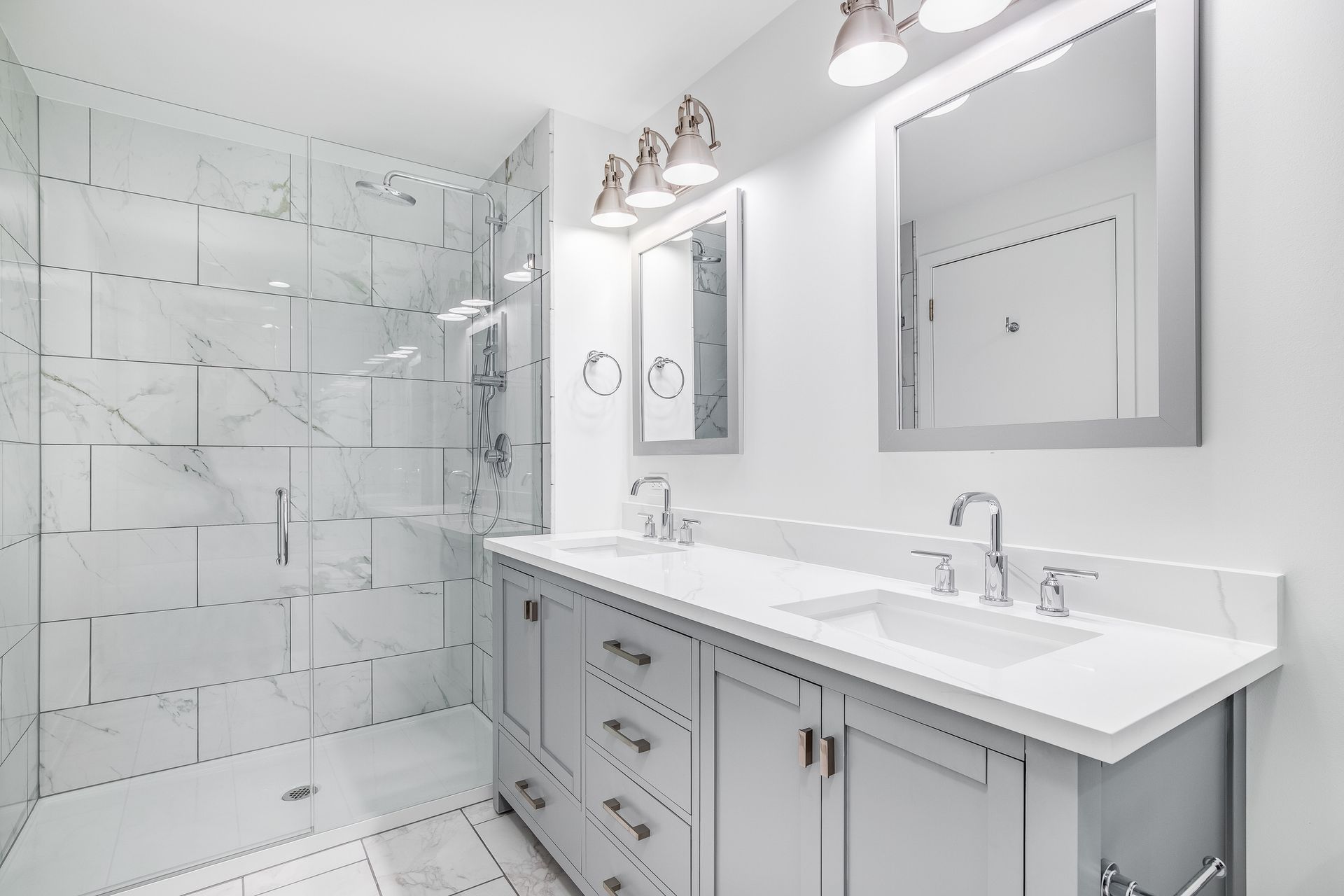
Discover the benefits of wet area remodeling with Obringers! Upgrade your bathroom affordably by starting where it matters most. Contact us today!
his and hers sinks in a beautiful bathroom remodeled by Obringer's Painting and Remodeling
By Derek Obringer July 28, 2025
Read along for inspiration on your next bathroom remodel! Contact Obringer's for expertise and craftsmanship in the Pittsburgh area!
TV entertainment area and pool table in a finished basement
By Derek Obringer June 27, 2025
Finishing your basement can be a smooth process, but sometimes the unknowns and a blank slate before you can be daunting. Check out these tips, and give us a call!
Beautifully remodeled kitchen with blue cabinets, butcher block countertop and stainless steel kitchen appliances
By Derek Obringer May 21, 2025
Discover what a kitchen remodel can cost you, and prioritize the areas that matter most! Call Obringer's for expert painting and remodeling services for your kitchen!
By Derek Obringer March 27, 2025
General Contractors vs. Kitchen Remodelers: Key Differences When planning your kitchen renovation, choosing the right professional is crucial. Should you hire a general contractor or a kitchen remodeling contractor ? While both handle renovations, their expertise and scope of work differ significantly. General Contractors General contractors oversee large-scale remodeling projects, such as whole-home renovations or additions. They handle structural changes, electrical and plumbing work, and permit approvals. Because they manage multiple subcontractors and coordinate various trades, hiring a general contractor is typically more expensive. They are best suited for projects that go beyond just the kitchen. Kitchen Remodeling Contractors Kitchen remodelers specialize in kitchen-specific renovations, focusing on layout, design, and materials. They often work directly on the kitchen, rather than overseeing multiple subcontractors. Because their expertise is limited to one area of the home, they provide more cost-effective solutions for homeowners looking to upgrade their kitchens without altering other spaces. Which One Do You Need? If your project involves multiple rooms or structural changes, a general contractor is the best choice. However, if your renovation is kitchen-focused and you want a more budget-friendly approach, a kitchen remodeling contractor is the way to go. Understanding these differences can help you make the right decision for your home renovation needs. Key Differences: General Contractors vs. Kitchen Remodelers When planning a home renovation, it's essential to understand the key differences between general contractors and kitchen remodelers to ensure you hire the right professional for the job. While both play crucial roles in home improvement, their scope of work, expertise, cost, and project management styles vary significantly. 1. Scope of Work The primary difference between a general contractor and a kitchen remodeler is the scope of work they handle: General Contractors: General contractors oversee broad renovation projects that may involve multiple rooms, entire home remodels, or structural changes. Their responsibilities often include: Managing large-scale renovations, including home expansions and floor plan modifications. Overseeing structural changes such as removing walls or adding new rooms. Coordinating various subcontractors, such as electricians, plumbers, and carpenters, to complete the project efficiently. Kitchen Remodelers: Kitchen remodelers, on the other hand, specialize exclusively in kitchen renovations. Their work is focused on: Optimizing kitchen layout design for better functionality and efficiency. Installing cabinetry, countertops, backsplashes, and appliances. Choosing the best materials, finishes, and storage solutions for an aesthetically pleasing and practical kitchen. If your project involves multiple rooms or structural modifications, a general contractor is necessary. However, if your focus is solely on updating or redesigning the kitchen, a kitchen remodeler is the better choice. 2. Expertise & Specialization The level of expertise required for a renovation depends on the type and complexity of the project. General Contractors: These professionals have broad knowledge across multiple trades, including: Structural modifications (e.g., knocking down walls or adding load-bearing beams). Electrical and plumbing work to support home expansions. Permitting and building code compliance for large-scale projects. Kitchen Remodelers: In contrast, kitchen remodelers focus specifically on kitchen design, materials, and functionality, which includes: Understanding the latest kitchen trends and space-saving solutions. Customizing cabinets, countertops, and islands for improved workflow. Ensuring optimal appliance placement to enhance efficiency. If your renovation requires significant structural changes, a general contractor is the right choice. However, if you want a kitchen tailored to your lifestyle and design preferences, a kitchen remodeler's specialized knowledge is more beneficial. 3. Cost Considerations Cost is a major factor when choosing between a general contractor and a kitchen remodeler. General Contractor: In most cases, they will charge a percentage of the total project cost, often ranging between 10% and 25%. Their services are more expensive due to the larger scale of work and involvement of multiple trades. Costs may include permits, labor for structural changes, and extensive material selections. Kitchen Remodeling Company: Offer a more budget-friendly option for homeowners focusing solely on the kitchen. Since they specialize in one area, their labor and material costs are often more predictable and controlled. Homeowners can choose from different levels of renovation, from minor upgrades to high-end, custom kitchen designs. If you're planning a whole-home remodel or structural work, a general contractor's higher costs are justified. However, if you need a cost-effective kitchen transformation, a kitchen remodeler is the smarter financial choice. 4. Project & Subcontractor Management Managing a renovation project requires careful coordination, and the approach differs between general contractors and kitchen remodelers. General Contractor: Act as project manager, hiring and overseeing subcontractors for various tasks such as flooring, plumbing, and HVAC installation. Ensure all trades work in sync to meet project deadlines. Handle any unexpected construction challenges, such as hidden electrical issues or outdated plumbing. Kitchen Remodeling Company: Typically, they work with a smaller, more specialized team of designers and craftsmen. Provide a hands-on approach by focusing on specific kitchen elements, ensuring quality control throughout the project. May still work with subcontractors (e.g., electricians or plumbers) but on a much smaller scale than general contractors. If your renovation involves multiple professionals across different areas, a general contractor is necessary. However, if you prefer a more direct and focused approach for your kitchen, a kitchen remodeler provides the expertise needed. Both general contractors and kitchen remodelers bring valuable skills to the table, but their expertise is suited for different types of projects.