Our Interior Painters Speak On Finish Considerations For Each Surface
When homeowners think about interior painting, walls usually come to mind first. In reality, a Pittsburgh home features numerous interior surfaces that interact with light, traffic, and daily use in various ways. Walls, ceilings, trim, staircases, and basements each require thoughtful finish selection and proper preparation.
An experienced interior painter understands that paint is not just about color; it's also about texture. It is about how the finish performs on the surface beneath it.
At Obringer's Painting and Remodeling, this practical understanding is integral to the company's lean, well-planned approach to interior work, a mindset also highlighted in the "Why We're Different – Doing Business the Lean Way" philosophy on their homepage. The focus remains on preparation, efficiency, and consistent results, rather than taking shortcuts.
Below, our native Pittsburgh interior painters explain the correct finishes for common interior surfaces and how professional preparation supports long-term performance.
1. Walls
Typical Finishes
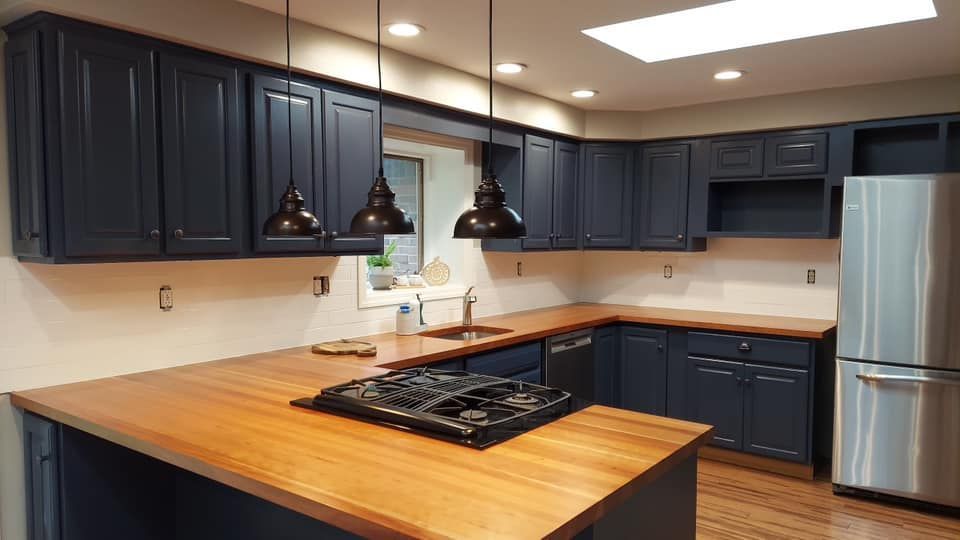
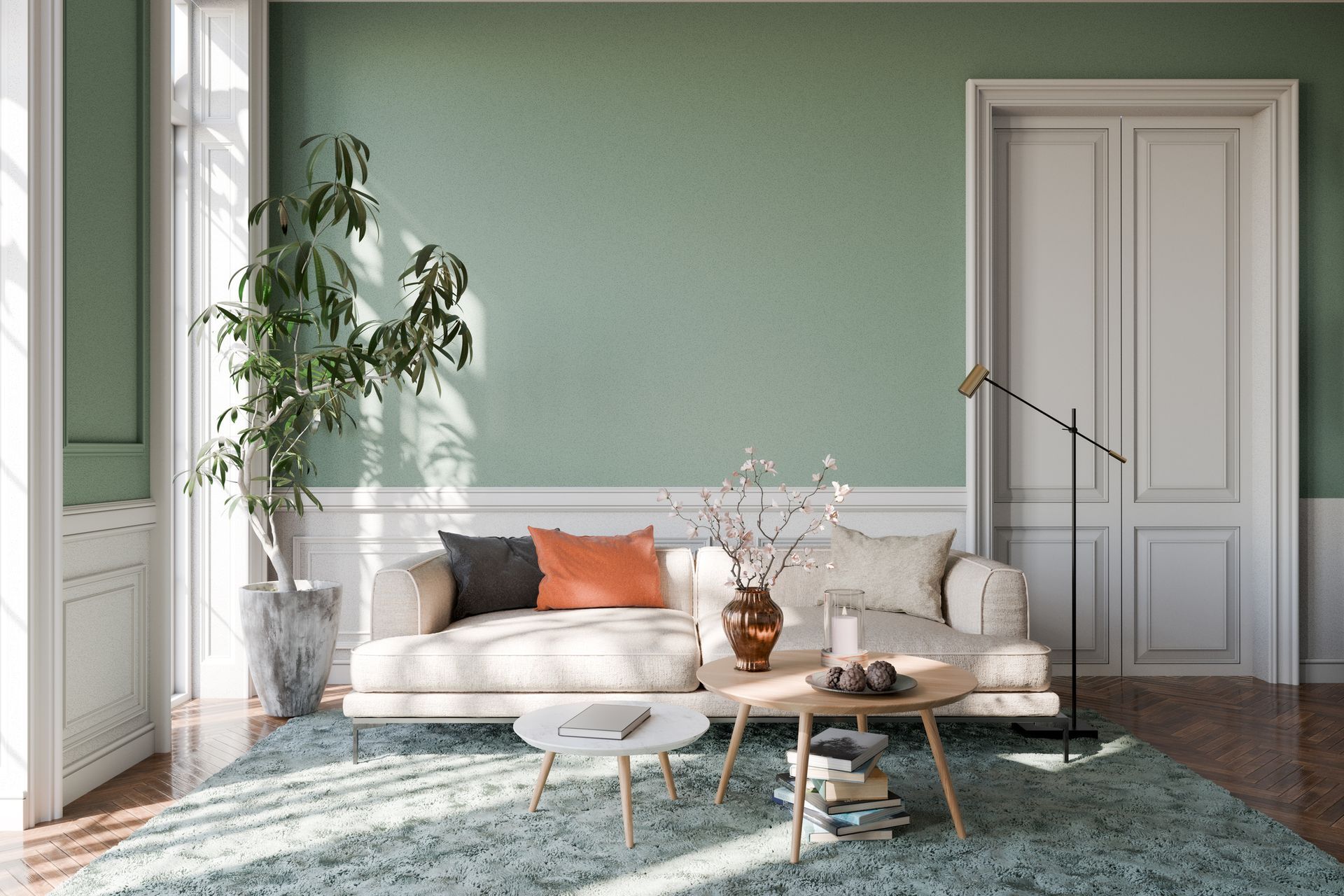
Matte or flat finishes are often used in low-sheen areas. Eggshell is common for living rooms and bedrooms. Satin is usually chosen for kitchens and high-traffic areas.
Surface Considerations
Pittsburgh homes often include a mix of drywall and plaster. Older plaster walls may show settlement lines or previous repairs that need attention before painting. Open floor plans also require consistency from room to room, so walls appear evenly under changing light conditions.
Professional Approach
As wall painters, Obringer's Painting and Remodeling focuses on surface preparation first. Patching, sanding, and primer selection are matched to the wall material. Finish selection is guided by how the room is used, not just how it looks on a sample card.
2. Ceilings
Typical Finishes
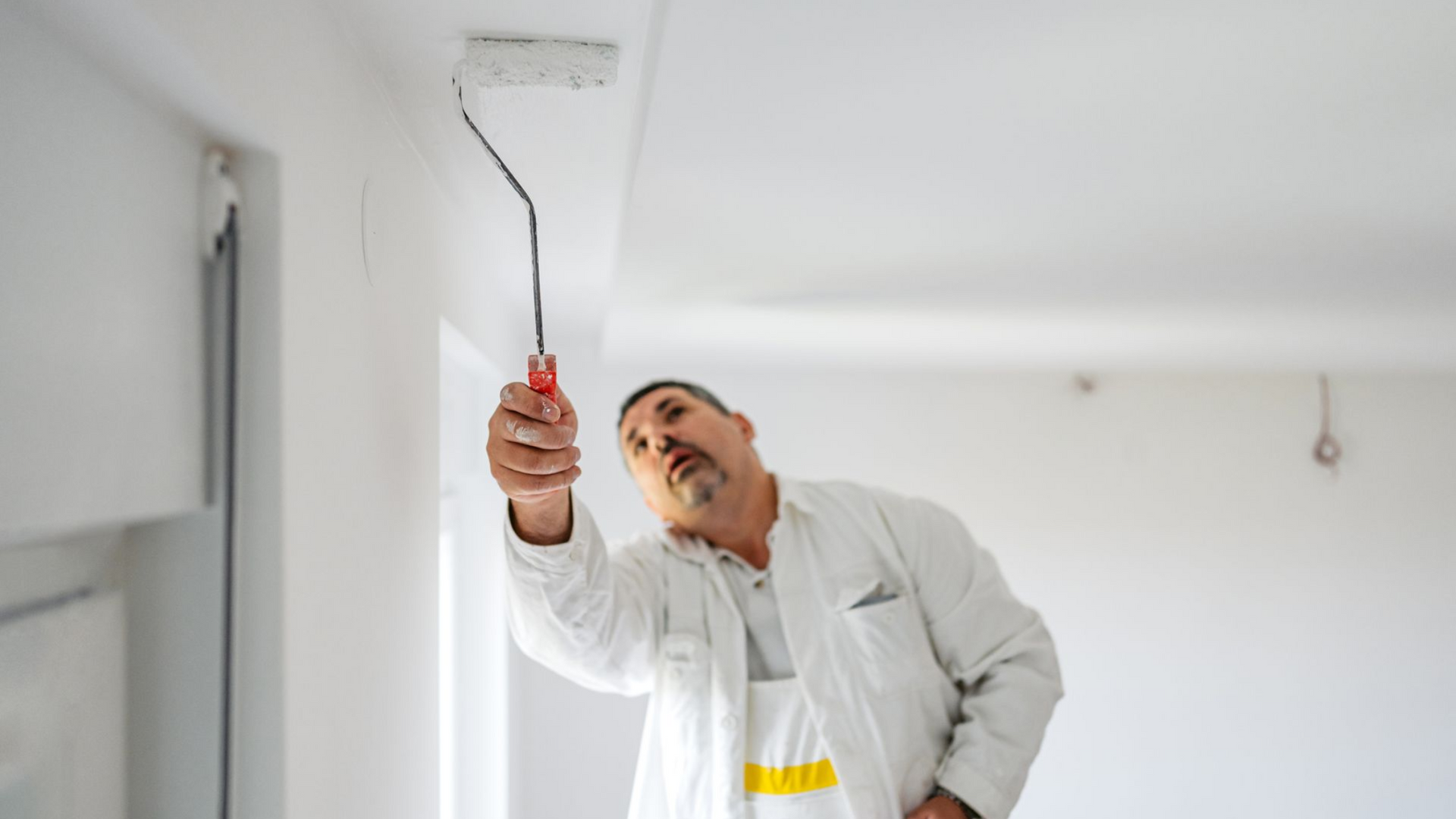
Flat or matte finishes remain the standard for most ceilings.
Surface Considerations
Ceiling heights can vary in older homes, and textured surfaces behave differently than smooth ones. Lighting, especially recessed or directional lighting, can emphasize inconsistencies if coverage is uneven.
Professional Approach
Living room painters and bedroom painters at Obringer's pay close attention to clean ceiling lines and uniform coverage. The goal is a ceiling that supports the room without drawing attention to itself.
3. Trim and Finish Carpentry
Typical Finishes
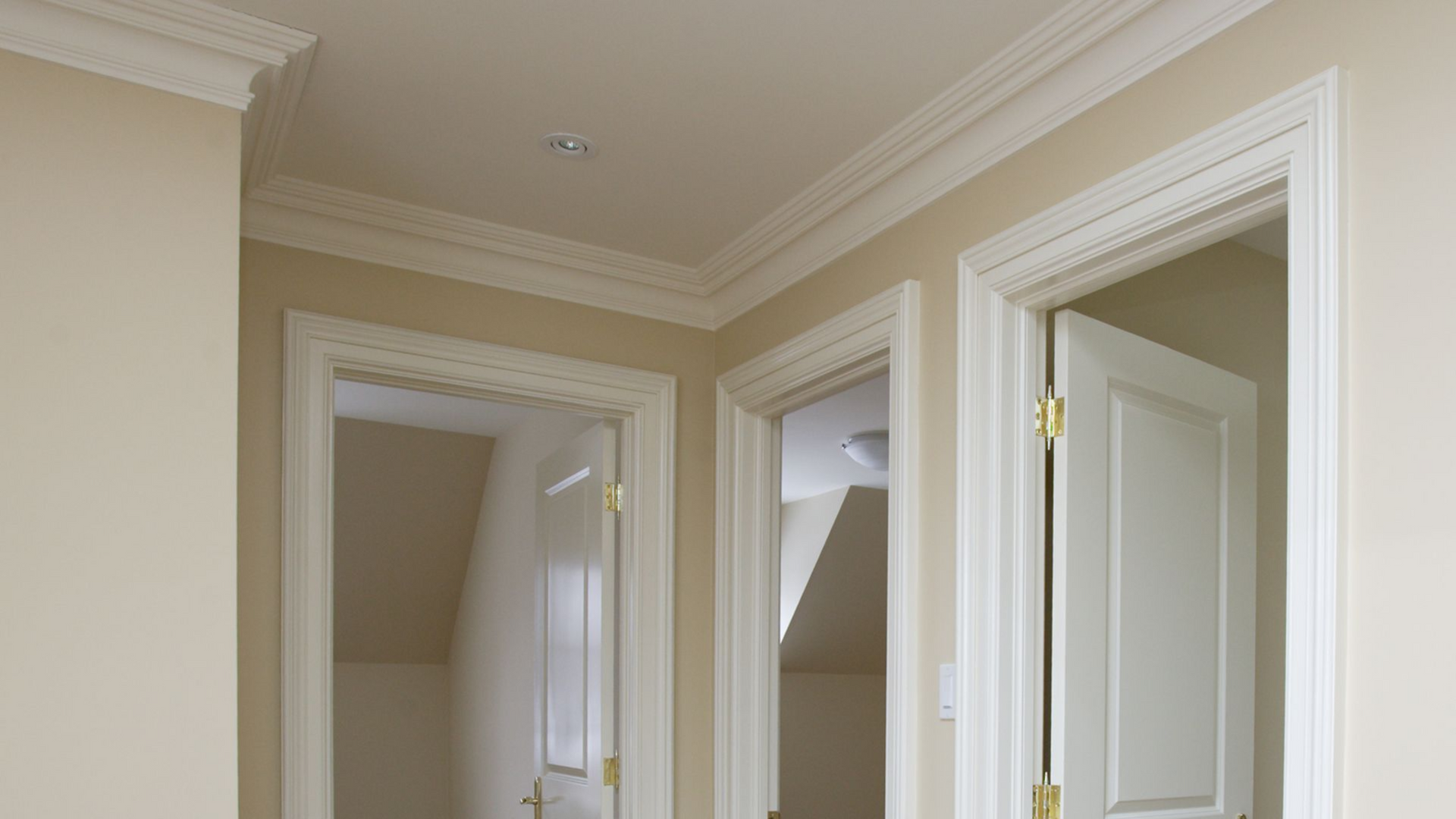
Satin or semi-gloss finishes are often used for trim because they are easy to clean and hold up well.
Surface Considerations
Many Pittsburgh homes feature older woodwork with detailed profiles. Brush marks, lap lines, and inconsistent sheen can stand out if the wrong technique is used.
Professional Approach
Skilled trim painters select application methods based on the profile and condition of the wood. The focus is on crisp lines, smooth finishes, and consistency across all trim elements.
4. Doors and Door Components
Typical Finishes
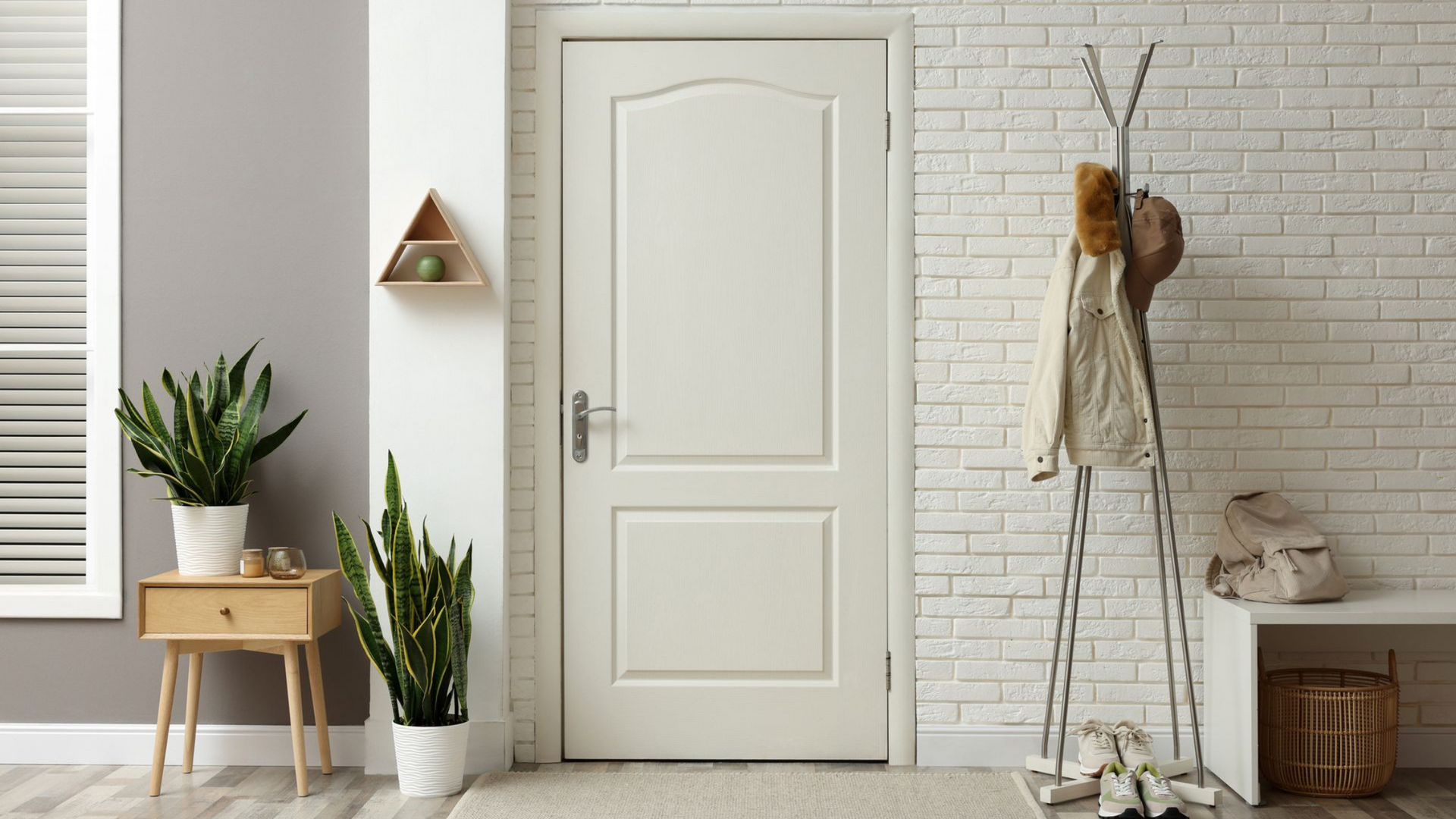
Satin and semi-gloss finishes are standard for doors.
Surface Considerations
Doors are high-touch surfaces. Panels, edges, and hardware areas tend to experience more wear than the surrounding walls.
Professional Approach
An interior painter near you who understands door wear patterns will prepare and coat doors with durability in mind. Proper sanding and finish selection help doors maintain a uniform appearance over time.
5. Stairs and Vertical Transitions
Typical Finishes
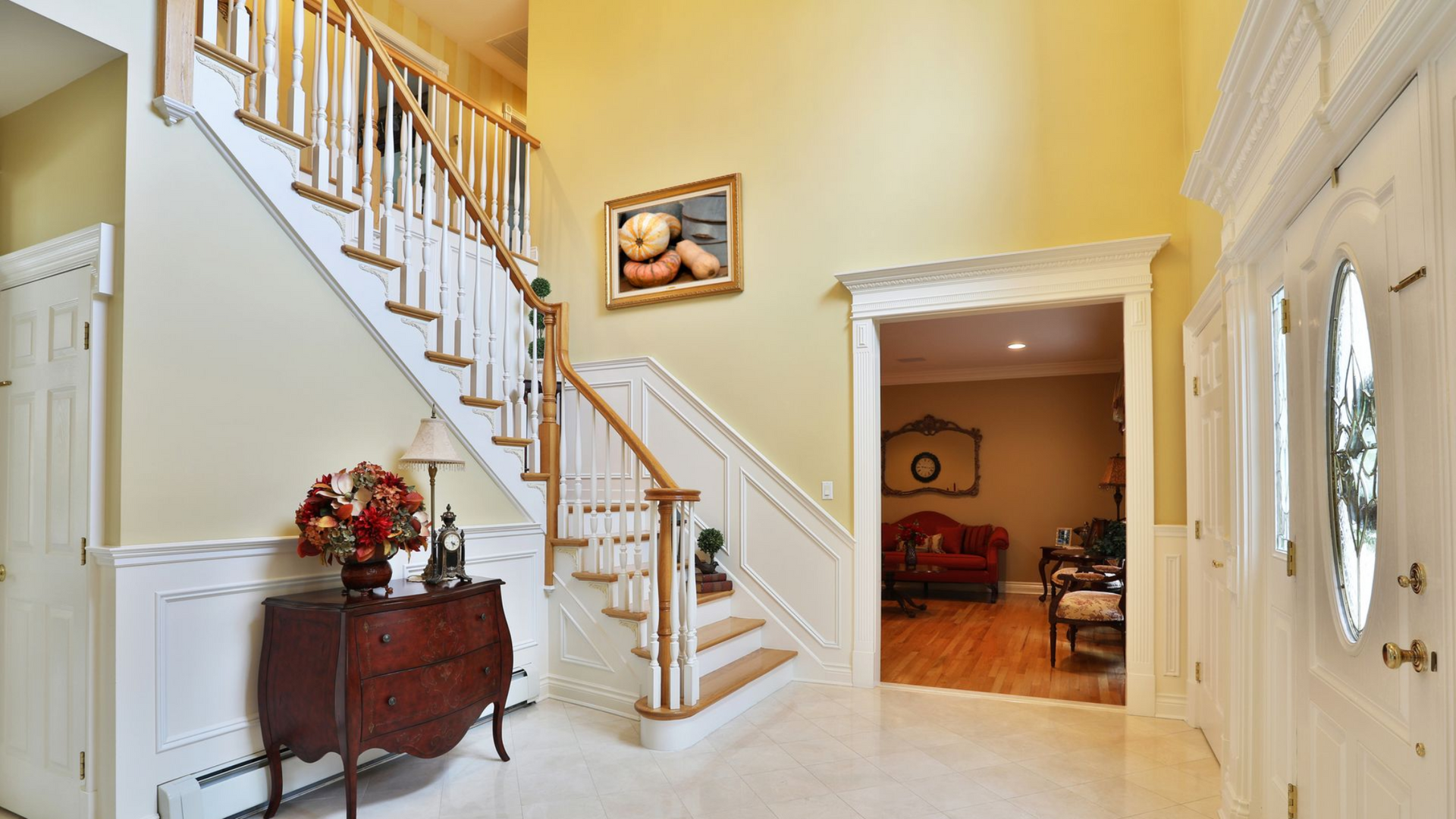
Satin or semi-gloss finishes are commonly used on railings and trim. Durable coatings are selected for stair components where appropriate.
Surface Considerations
Stairs combine visibility, hand contact, and multiple materials in a single area. Transitions must look intentional and cohesive.
Professional Approach
Experienced staircase painters plan the work to minimize disruption while maintaining detailed control. Each surface is treated according to its intended use, rather than as a single flat area.
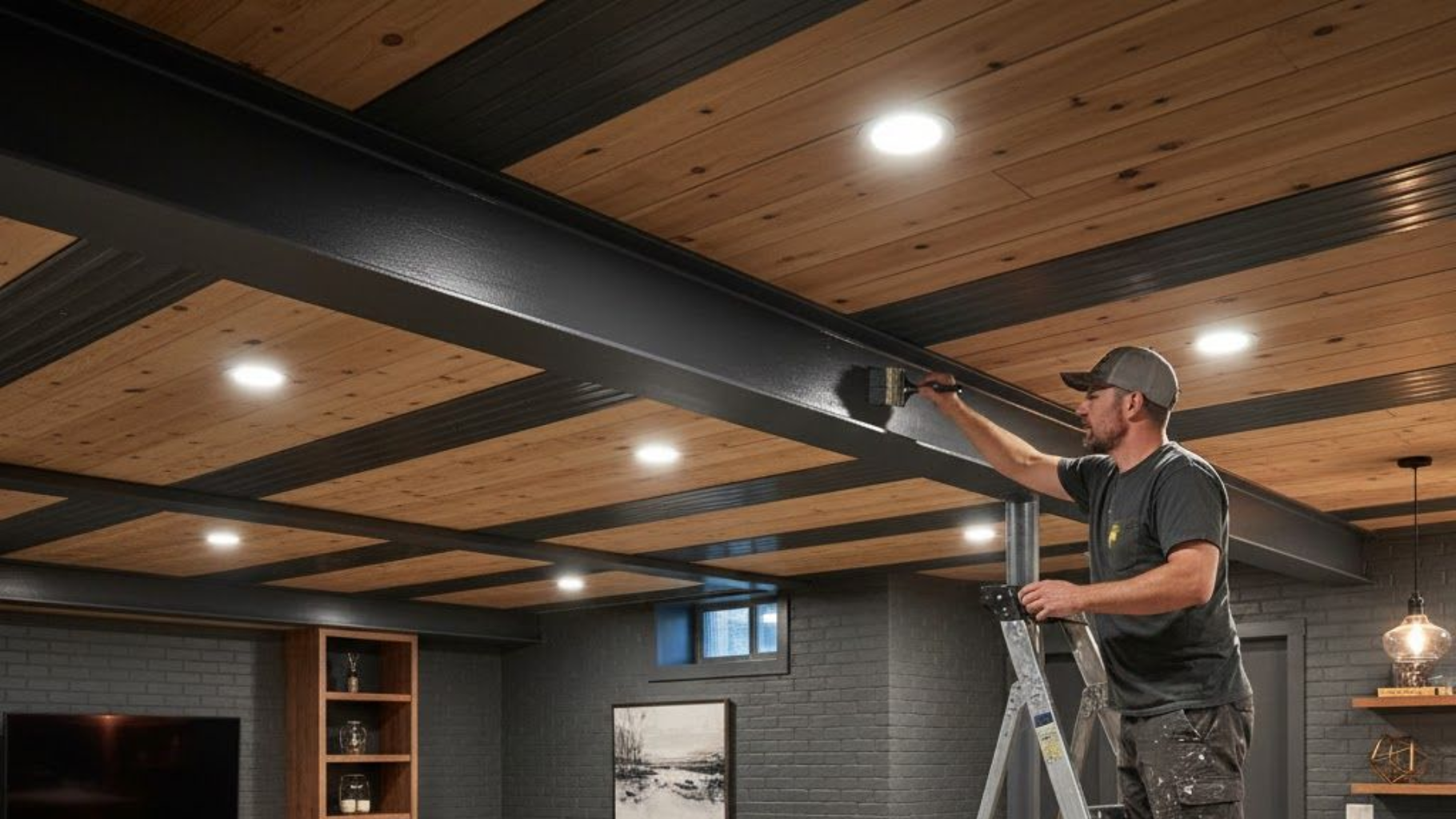
6. Beams and Columns
Typical Finishes
Satin or specialty coatings are selected depending on the material.
Surface Considerations
Exposed beams and columns often highlight architectural character. Wood and metal surfaces require different preparation and primers.
Professional Approach
Obringer's Painting and Remodeling approaches exposed structural elements as part of the finished space. The goal is to protect the color of the newly painted surface from dirty hands while preserving the design intent of the home. If you wish to cover exposed beams, we also offer basement remodeling to finish your entire project!
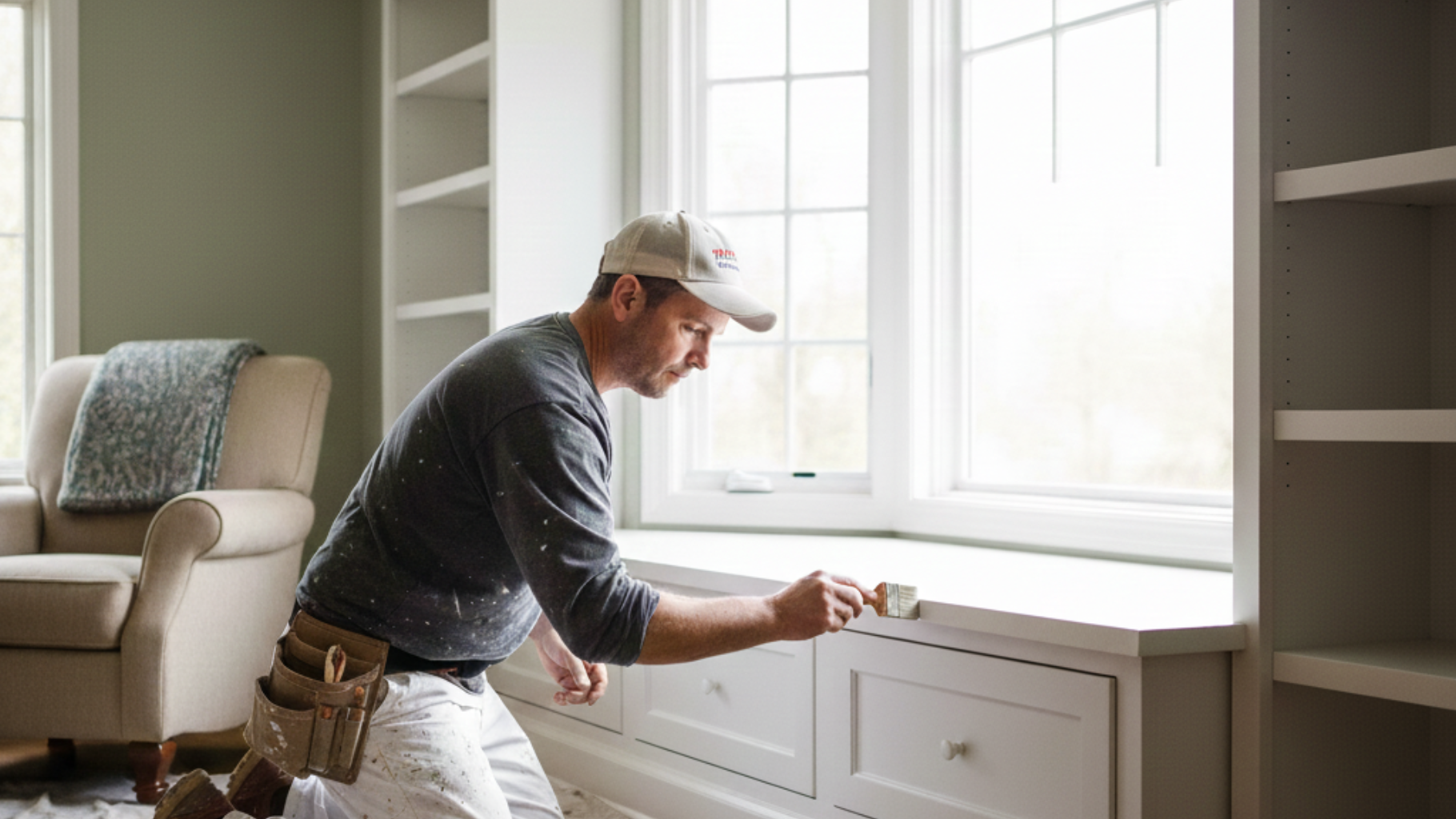
7. Built-In Non-Cabinet Features
Typical Finishes
Satin or eggshell finishes are used depending on the level of contact and visibility.
Surface Considerations
Built-ins anchor a room visually and must coordinate with both the wall and trim colors.
Professional Approach
Kitchen painters and living room painters plan these finishes as part of the overall design of the space. This ensures consistency, rather than treating built-ins as an afterthought.
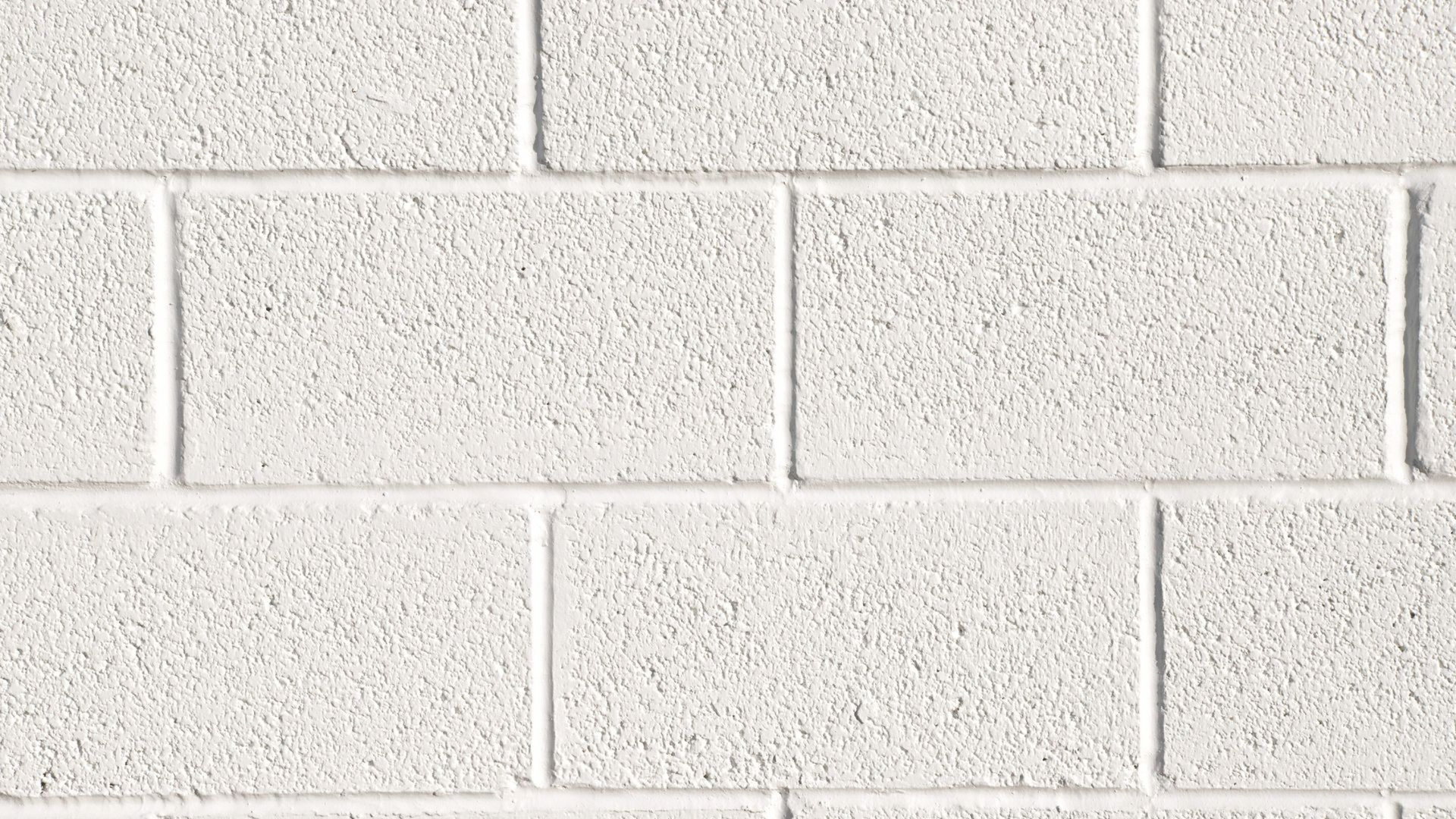
8. Utility and Foundation Surfaces
Typical Finishes
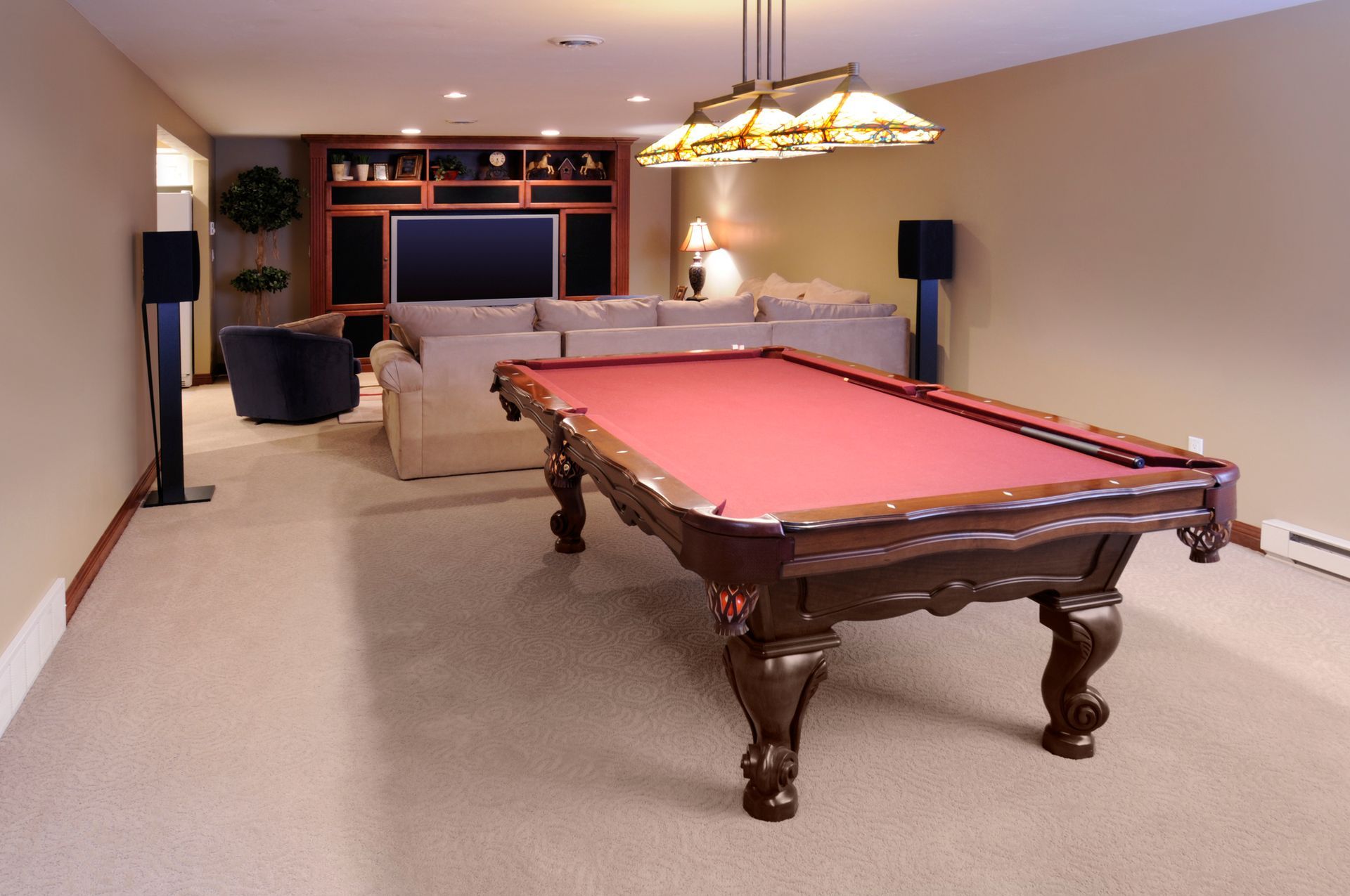
Durable coatings designed for basements and utility areas are commonly used.
Surface Considerations
Basements in Pittsburgh homes often involve masonry surfaces and moisture considerations that standard wall paint may not address.
Professional Approach
Basement painters at Obringer's select coatings based on the surface and environment. Proper cleaning, priming, and product selection support reliable performance.
Paint Quality and Product Knowledge
Obringer's Painting and Remodeling uses Sherwin-Williams paint products for interior projects. Their familiarity with finish performance allows them to match the right product to each surface.
Interior Painters in Pittsburgh Near You: Obringer's
Interior painting involves far more than walls alone. Each surface within a home has its own considerations, based on material, usage, and visibility. Experience and product knowledge enable professional painters to plan the work carefully and apply finishes that are suitable for the space.
For homeowners seeking an interior painter near you who understands Pittsburgh homes, Obringer's Painting and Remodeling offers a steady, well-organized approach rooted in preparation and attention to detail.
Our work reflects an understanding of how paint and surface work together to create lasting, cohesive interiors. Contact our experienced team today to learn more!

Author: Derek Obringer
Owner & Founder of Obringer's Painting and Remodeling, Derek Obringer brings attention to detail, together with experience, and superior customer service into each and every home that his company does work.
Painting And Remodeling Blog