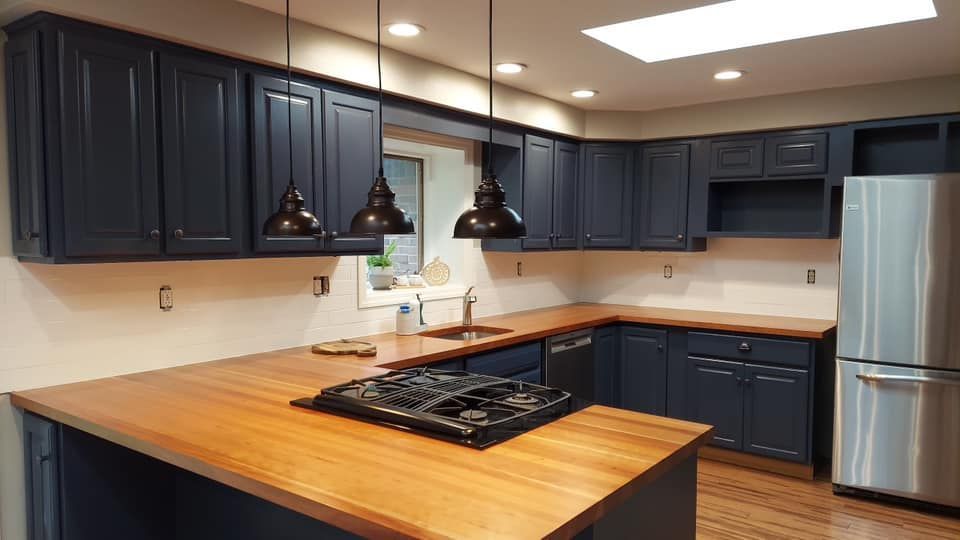
10 Smart Ways to Approach a Kitchen Remodel Before Choosing Cabinets and Countertops
What do you want out of a kitchen remodel?
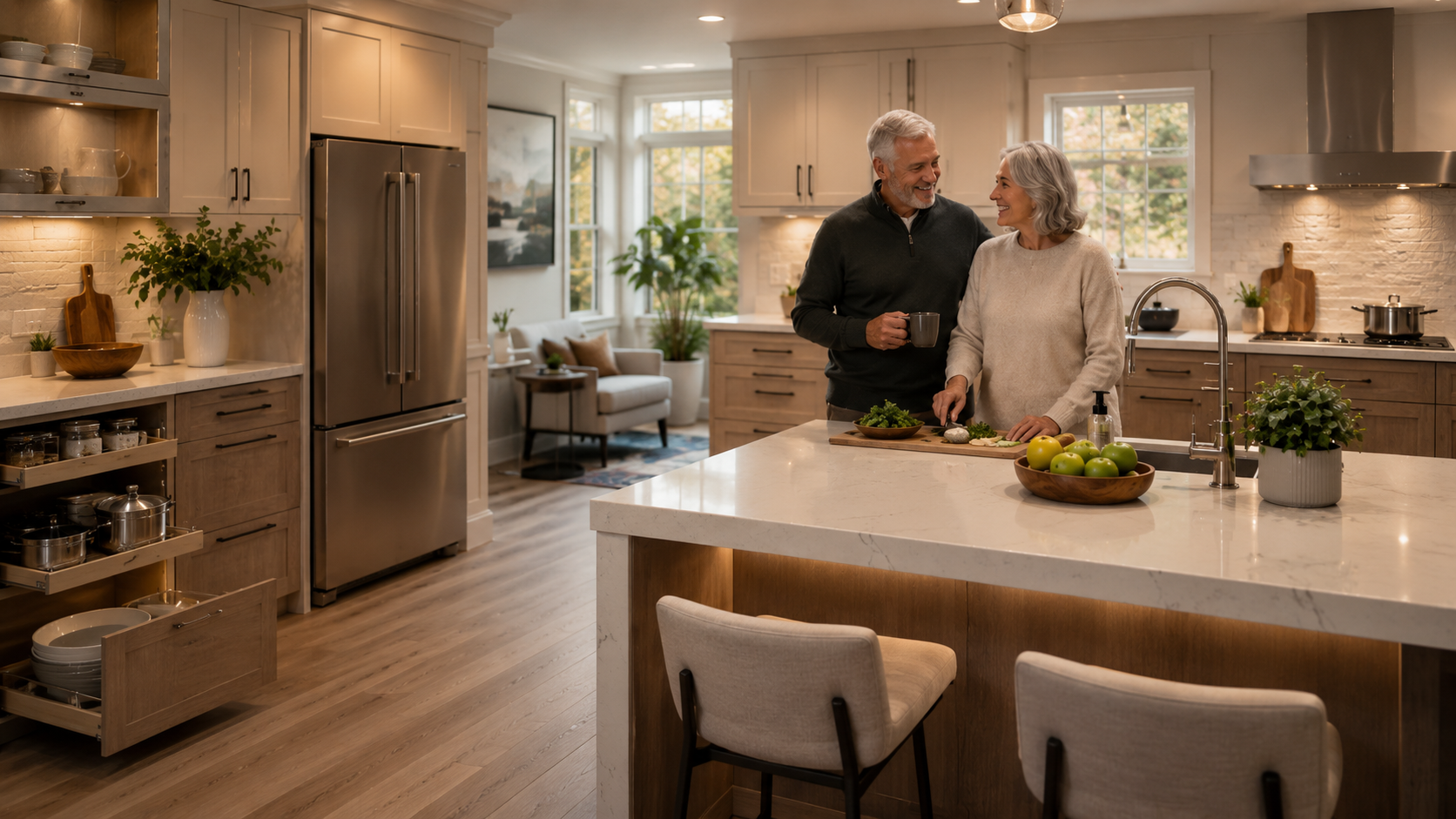
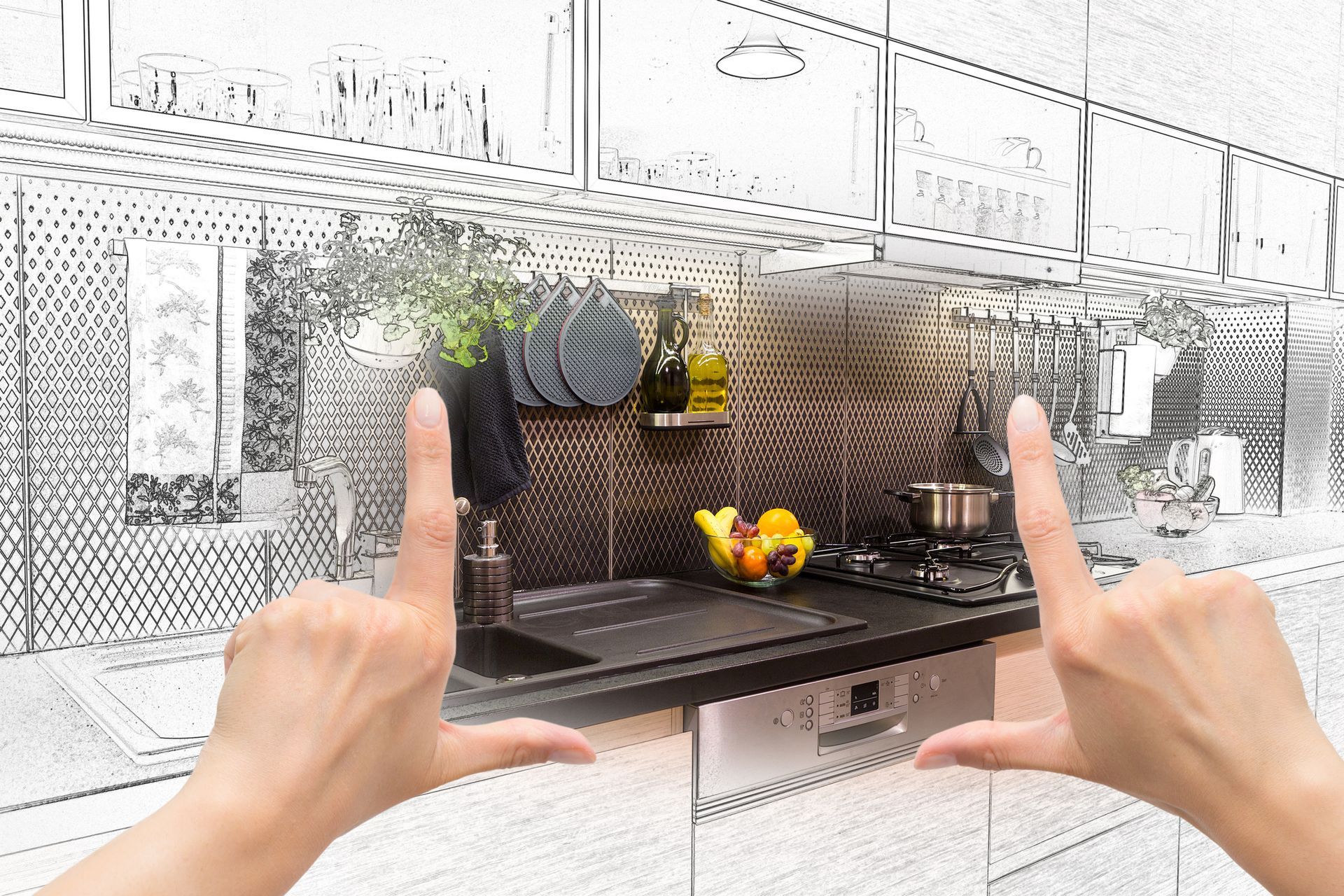
Many homeowners begin a kitchen remodel by thinking about the visible details: cabinets, countertops, backsplash, flooring, appliances, paint colors, and lighting. Those choices matter, but they should not be the first step.
A better place to start is by asking: What problem are we trying to solve with this remodel?
For some homeowners, the goal is resale value. For others, it is better storage, a more open layout, easier maintenance, improved safety, or a kitchen that works better for daily routines. A professional kitchen remodeling company can help homeowners identify these priorities before money is spent on design, materials, or construction.
For homeowners researching kitchen remodeling in Pittsburgh, planning is especially important because many local homes have older layouts, limited storage, closed-off kitchens, or outdated systems. Obringer's Painting & Remodeling offers kitchen remodeling services in Pittsburgh to help homeowners plan with purpose from the beginning.
1. Value-First Kitchen Remodel
A value-first remodel focuses on updates that support resale value and broad appeal to buyers. This approach works well for homeowners who may sell in the future or want to make smart improvements without over-personalizing the kitchen.
Cabinet updates, countertops, lighting, flooring, and appliance upgrades can all make a kitchen feel more current. However, layout improvements may sometimes add more value than cosmetic changes alone. A kitchen that looks updated but still feels cramped or awkward may not be as useful to future buyers.
A value-first remodel does not mean choosing the cheapest materials. It means making practical decisions that improve usefulness and appeal without over-improving for the neighborhood or market. A local kitchen remodeling company can help homeowners decide which upgrades are worth prioritizing.
2. Usability-First Kitchen Remodel
A usability-first remodel focuses on how the kitchen works every day. Before choosing finishes, homeowners should think through how they actually use the kitchen on a normal weekday.
Do they cook often? Pack lunches? Unload groceries? Entertain? Share the kitchen with children or multiple adults? These everyday habits should guide kitchen remodel planning.
Common usability problems include limited prep space, poor appliance placement, bad lighting, cramped walkways, and a lack of landing zones near the refrigerator, stove, or sink. A better layout with clear work zones for prep, cooking, cleaning, and storage can make the kitchen easier to use.
A kitchen that looks great but does not function well will still frustrate homeowners after the remodel is complete.
3. Budget-First Kitchen Remodel
A budget-first remodel starts with a clear investment range and builds priorities around it. This does not mean low-quality. It means being intentional about where the money goes.
Budget should be discussed early because it affects cabinets, countertops, flooring, fixtures, appliances, plumbing, electrical work, and layout changes.
Homeowners should separate must-have upgrades from nice-to-have upgrades. Keeping the existing layout may help control costs, as moving plumbing, electrical, or gas lines or walls can increase complexity. Cabinet refacing, selective upgrades, fixture updates, or phased remodeling may also be practical options.
Professional kitchen remodeling services can help homeowners understand which improvements will make the biggest difference within their budget.
4. Layout-First Kitchen Remodel
A layout-first remodel focuses on structure, flow, and arrangement before finishes are selected. This approach is important when the kitchen’s current layout is the main issue.
Many older Pittsburgh homes have kitchens that feel closed off, cramped, or poorly arranged. Some have awkward appliance placement, limited prep areas, tight walkways, or poor traffic flow.
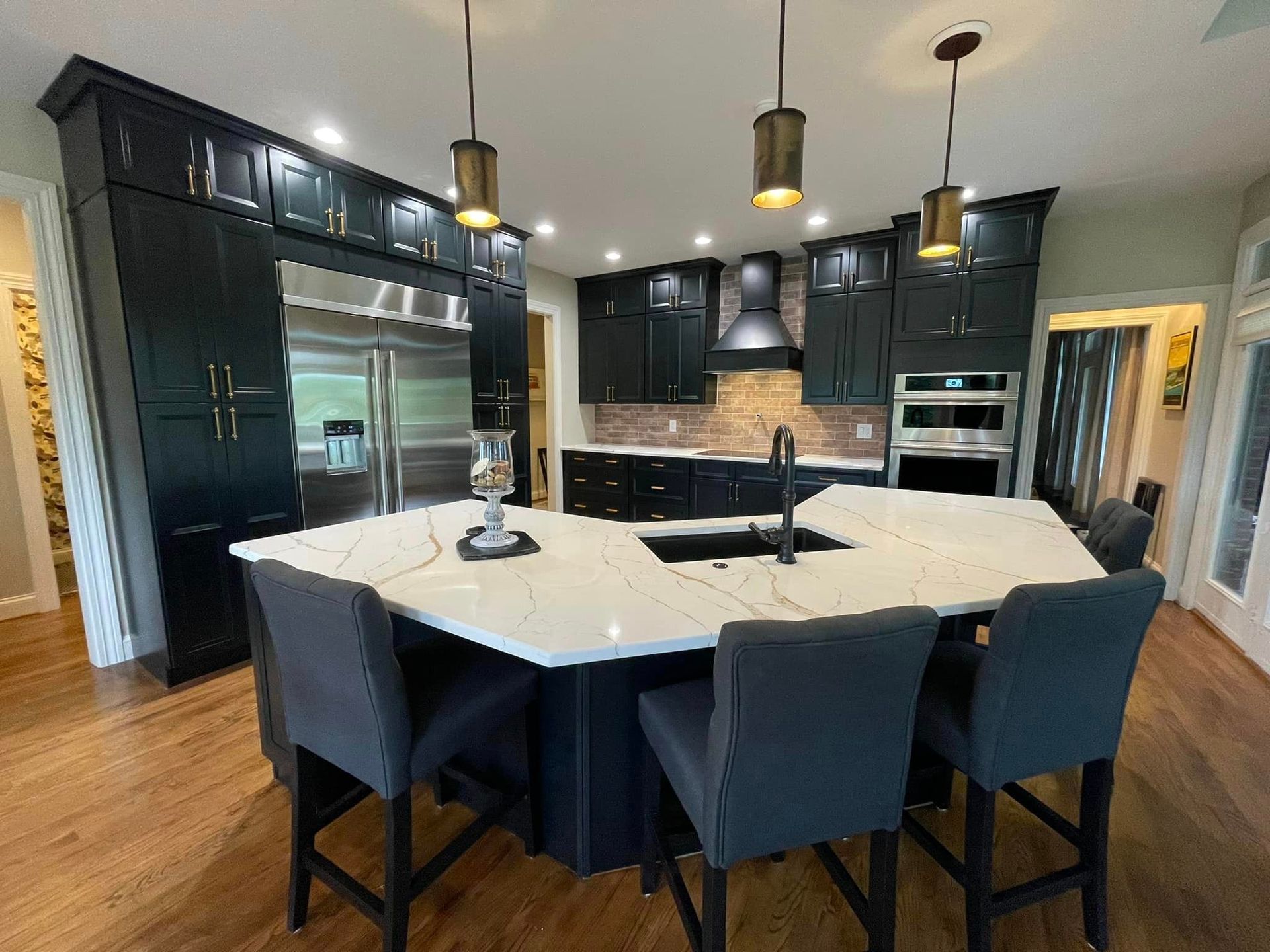
A layout-first remodel may include removing a wall, adding an island, creating a peninsula, reconfiguring cabinets, or improving the connection between the kitchen and nearby rooms. These decisions should happen before cabinet and countertop selections because layout affects measurements, plumbing, electrical work, lighting, and appliance choices.
If the layout does not work, new cabinets and countertops may only make the kitchen look better without solving the real problem. For help coordinating planning and construction, homeowners may benefit from hiring a local design-build kitchen remodeler.
5. Storage-First Kitchen Remodel
A storage-first remodel is ideal for homeowners who feel like their kitchen is always cluttered. This is common in older kitchens where cabinet layouts do not match modern routines.
More cabinets are not always the answer. Smarter cabinets are often more useful.
Deep drawers, pull-out shelves, pantry cabinets, vertical dividers, tray storage, corner cabinet solutions, appliance garages, and built-in trash and recycling can all help reduce clutter. The best storage plans consider what the homeowner owns and where those items should live.
For example, a family that uses small appliances daily may benefit more from an appliance garage and deep drawers than decorative open shelving. When storage is planned well, countertops stay clearer, and the kitchen feels easier to maintain.
6. Design-First Kitchen Remodel
A design-first remodel starts with the desired style and overall feel of the kitchen. Homeowners may want a modern, traditional, transitional, farmhouse, classic, warm, bright, or more refined look.
Design should still be balanced with function. Cabinets, hardware, lighting, backsplash, paint colors, flooring, and countertops all need to work together and support daily use.
It is also helpful to choose materials that fit the home’s architecture and avoid design choices that may look dated quickly. A kitchen remodeling company can help turn inspiration photos into realistic decisions that fit the home, budget, and construction plan.
A strong design-first remodel creates a kitchen that looks great and works well.
7. Maintenance-First Kitchen Remodel
A maintenance-first remodel prioritizes durability, cleanability, and long-term ease of care. This approach is useful for busy households, families, pet owners, frequent cooks, and anyone who wants the kitchen to look good without constant upkeep.
Some materials look great in photos but require more maintenance than homeowners expect. Easy-clean backsplash materials, stain-resistant countertops, durable flooring, and cabinet finishes that withstand daily use can all make a difference.
Smudge-resistant hardware and appliance finishes may reduce the visibility of fingerprints. Proper ventilation can help manage moisture, odors, and grease. Reducing grout lines where possible can also make cleaning easier.
A maintenance-first kitchen remodel helps the space stay practical after the project is complete.
8. Aging-in-Place Kitchen Remodel
An aging-in-place remodel focuses on long-term comfort, safety, and accessibility. This approach is helpful for homeowners who plan to stay in their home for many years.
Aging-in-place design does not have to look clinical. It can be attractive and practical for people of all ages.
Helpful features may include wider walkways, better task lighting, slip-resistant flooring, pull-out shelves, easy-grip cabinet hardware, wall ovens, lower storage access, lever-style faucets, and appliance placement that reduces bending or reaching.
These upgrades can also benefit children, guests, and anyone with temporary mobility limitations. A kitchen that works well now and in the future can support long-term comfort.
9. Entertaining-First Kitchen Remodel
An entertaining-first remodel is designed around hosting, gathering, and social flow. This approach works well for homeowners who often host holidays, parties, family dinners, or casual get-togethers.
Features may include an open layout, island seating, a beverage station, better connection to dining or living areas, more serving space, and statement lighting. Good traffic flow is also important so guests can gather without interrupting cooking and cleanup.
A large island may be useful, but only if there is enough clearance around it. An entertaining-first kitchen should make hosting easier without sacrificing everyday functionality.
10. Efficiency-First Kitchen Remodel
An efficiency-first remodel focuses on saving time, energy, and unnecessary movement. Efficiency is not only about energy use. It is also about making the kitchen faster and easier to use every day.
Work zones for prep, cooking, cleaning, and storage can reduce wasted steps. Appliance placement should support the way homeowners move between the sink, stove, refrigerator, and prep areas.
Energy-efficient appliances, task lighting, touchless faucets, convenient placement of trash and recycling, and better pantry organization can also improve daily routines. Professional kitchen remodeling services can help homeowners identify small changes that make the kitchen work more smoothly.
How to Choose the Right Approach for Your Kitchen Remodel
Most remodels combine several priorities. One homeowner may care most about value, usability, and storage. Another may focus on entertaining, design, and easier maintenance.
The budget often affects every approach, so it should be part of the conversation early on.
Before remodeling a kitchen, homeowners can ask:
Are we remodeling for ourselves or for resale?
What frustrates us most about the current kitchen?
Do we need more space, better storage, or a better layout?
How long do we plan to stay in the home?
What is our realistic budget?
Do we cook daily, entertain often, or need easier maintenance?
The best starting point is to identify the top two or three priorities, then work with a remodeler to turn those goals into a realistic plan.
Work With a Kitchen Remodeling Company That Helps You Plan First
A successful kitchen remodel starts before materials are selected. Cabinets, countertops, backsplash, flooring, and paint colors all matter, but they should support the project's larger goal.
Planning helps homeowners avoid costly mistakes, set realistic priorities, and make better decisions throughout the remodel. The right remodeler can help with layout, usability, budget, storage, finishes, and construction.
For homeowners looking for kitchen remodeling in Pittsburgh, it is helpful to choose a company that understands local homes and common remodeling challenges. Obringer's Painting & Remodeling is a Pittsburgh kitchen remodeling company that helps homeowners plan before construction begins.
If you are thinking about a kitchen remodel, contact Obringer's Painting & Remodeling to discuss your goals, your space, and the best way to move forward.

Author: Derek Obringer
Owner & Founder of Obringer's Painting and Remodeling, Derek Obringer brings attention to detail, together with experience, and superior customer service into each and every home that his company does work.
Painting And Remodeling Blog